New
Customized according to drawings
Price
$150.00
- $1,500.00
/ PC
MOQ: 1 PC
Product Description
Key specs at a glance
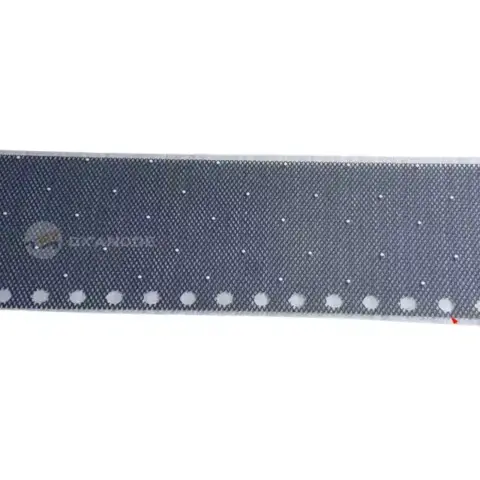
Coating: RuO₂-IrO₂ mixed metal oxide, chlorine evolution type
Substrate: ASTM B265 Grade 1 or Grade 2 titanium
Operating current density: up to 2,000 A/m² in seawater service
Dosing range: typically 1 to 10 ppm as Cl₂ (total residual oxidant)
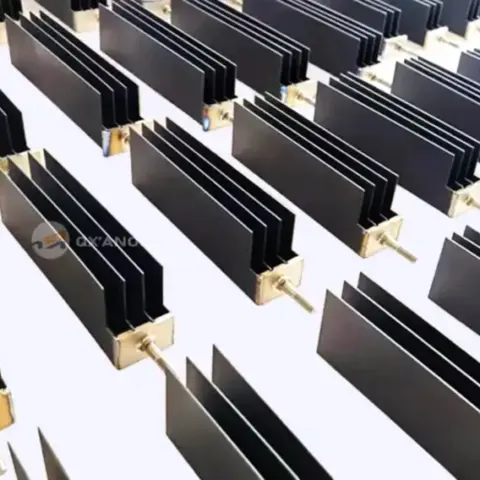
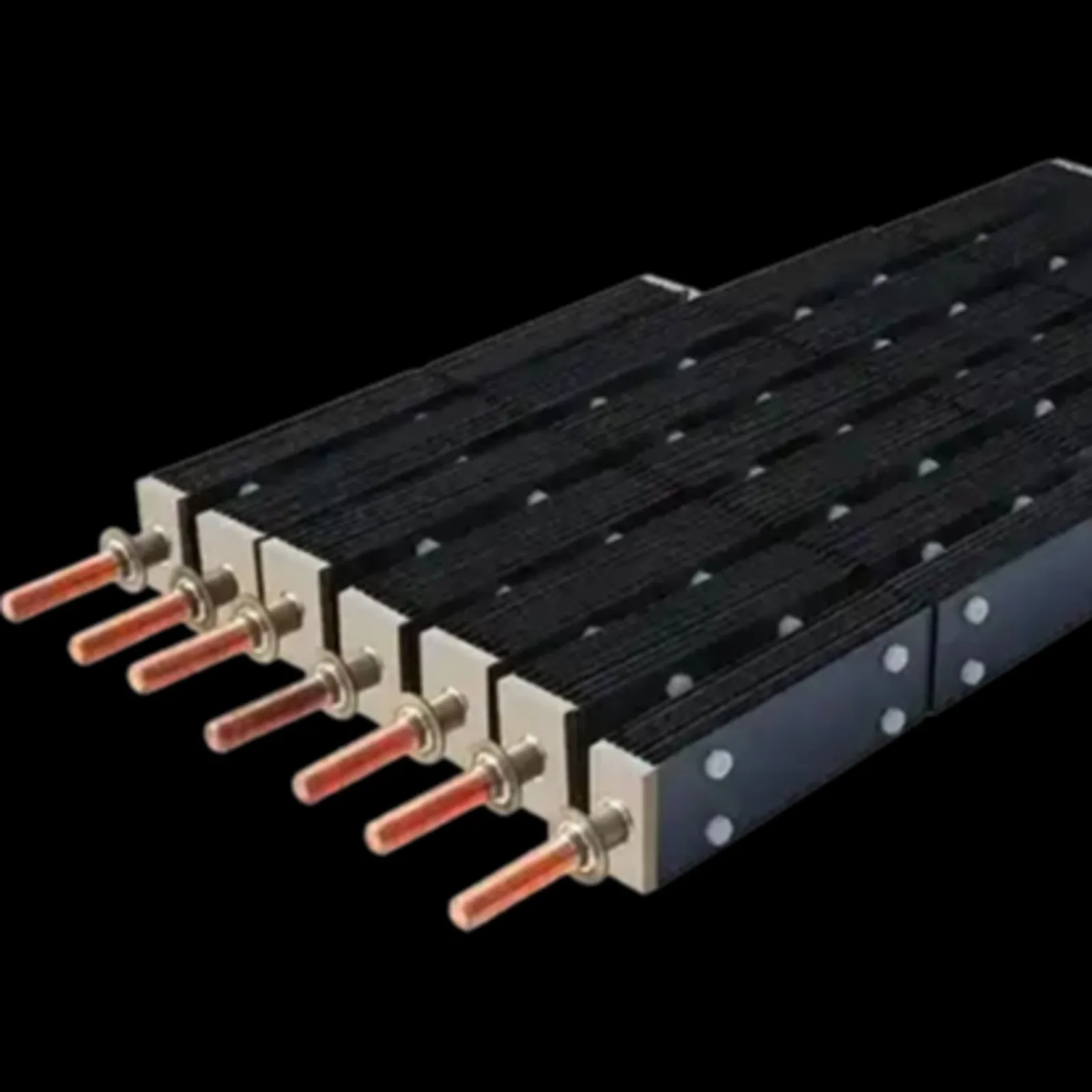
Geometries: plate, expanded mesh, tube, and custom machined shapes
Manufactured in Baoji, China, with SEM/EDX inspection before dispatch
Why Ballast Water Treatment Became a Hard Requirement
Ships take on ballast water to stay stable in light condition and discharge it at the next port. What travels with that water is the problem: plankton, larvae, and microbes that may have no natural predators in their new environment. When they establish, they outcompete native species and disrupt local ecosystems and economies. This is the problem the Ballast Water Management Convention was built to solve. Adopted by the IMO in 2004, it entered into force on 8 September 2017.
The convention works through two standards. D-1 requires open-ocean ballast water exchange. D-2 sets the discharge performance limits, and it is the standard that matters for treatment equipment. Under D-2, discharged ballast water must contain:
Organisms ≥ 50 µm: fewer than 10 viable organisms per cubic meter
Organisms 10 to 50 µm: fewer than 10 viable organisms per milliliter
Indicator microbes: Vibrio cholerae under 1 cfu per 100 mL; Escherichia coli under 250 cfu per 100 mL; intestinal enterococci under 100 cfu per 100 mL
D-2 was phased in over several years; by 8 September 2024, all internationally trading ships had to comply. Treatment systems installed on board must be type-approved under the BWMS Code, and ships trading to U.S. waters must use systems approved by the U.S. Coast Guard. Compliance is verified by sampling and testing the treated water, so a system that cannot hold its dose becomes the shipowner’s problem at every port state inspection. This is the context that matters when buying anodes: the anode is the working component that keeps an electrolytic system compliant.
Trade Information
Delivery Time
15-25
Days
Supply Ability
5,000 Pieces/month