
New
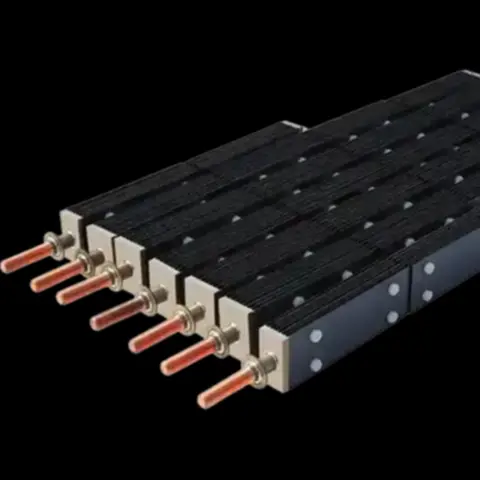
Titanium Anode for Electrolytic Seawater Chlorination
Price
$500.00
- $1,500.00
/ PC
MOQ: 10 PC
Product Description
What This Anode Does
When direct current passes through seawater between a coated titanium anode and a cathode, chloride ions oxidize at the anode surface and form active chlorine: dissolved chlorine gas, hypochlorous acid and hypochlorite. Operators use this reaction to prevent marine growth on seawater intake screens and cooling circuits, to dose sodium hypochlorite on site for ballast water and produced water systems, and to feed electrochlorination packages on offshore platforms and coastal power plants.
The anode is the part of the cell that decides whether this process runs economically. A plain titanium anode passivates almost immediately in chlorine-generating conditions, and an under-specified coating wastes both cell voltage and precious metal. Our seawater anodes pair a corrosion-resistant Gr1 titanium substrate with a ruthenium-iridium mixed metal oxide (MMO) coating selected specifically for chlorine evolution duty, so the cell voltage stays low and the coating consumption rate stays predictable over years of operation.
Why Ru-Ir Coating for Seawater
Seawater electrolysis is a chlorine evolution reaction (CER) environment. Ruthenium-iridium oxide coatings offer the lowest chlorine evolution overpotential available in industrial DSA technology and hold up well against hypochlorite attack. That combination is what keeps energy consumption per kilogram of active chlorine low. If your electrolyte is sulfate-based or your duty is oxygen evolution, theIr-Ta titanium anodeis the better coating match; for concentrated brine and chlor-alkali conditions, see ourRu-Ir titanium anodepage for the standard product line.
Trade Information
Delivery Time
15-25
Days
Supply Ability
5,000 Pieces/month